Hard water is the single most expensive water problem Oklahoma homeowners don't realize they have. It doesn't make you sick, so it's easy to ignore. But every month you live with untreated hard water, it's silently shortening the life of your water heater, your washing machine, your dishwasher, and your plumbing, and it's adding a quiet tax to your electric bill and your grocery bill.
Oklahoma Water Hardness: The Numbers
Hardness in Oklahoma varies by region, but Eastern Oklahoma generally sees some of the highest numbers in the state. Typical ranges:
- Muskogee / Tulsa metro city water: 7–12 grains per gallon (hard to very hard)
- Rural Eastern Oklahoma well water: 15–25 GPG (very hard to extremely hard)
- Some limestone-aquifer wells: 25–35 GPG (extremely hard)
The Water Quality Association classifies anything above 10.5 GPG as "very hard." Most Oklahoma homes without treatment are well past that threshold.
The Water Heater Problem
Your water heater is the most expensive casualty of hard water. Here's what happens inside a tank-style water heater running on untreated 15 GPG water:
Year 1–3: Calcium carbonate starts depositing on the lower heating element and the bottom of the tank. It's a thin layer, you won't notice performance changes yet, but heat transfer is already getting less efficient.
Year 3–5: Scale thickens to 1/8" to 1/4". The heating element now has real insulation between it and the water. It runs hotter and longer to hit setpoint. Your electric bill goes up $10–$25/month and you don't know why.
Year 5–8: Heavy scale (1/4" to 1/2") now. The element overheats because trapped heat can't dissipate into the water efficiently. You start hearing popping or rumbling noises, that's water flashing to steam underneath scale layers. Lower element often burns out in this window.
Year 8–10: Many Oklahoma water heaters fail at 8–10 years instead of their rated 12–15. Cost of early replacement: $1,200–$2,500 installed. Multiply that across the next 30 years and you're replacing water heaters far more often than you should.
The Dishwasher and Washing Machine Problem
Hard water hits dishwashers on multiple fronts. Scale narrows the spray-arm holes, which drops water pressure and cleaning performance, so you run cycles twice, use more detergent, or run the heated dry to fake the result. The heating element scales up just like the water heater's. Door seals degrade faster because mineral deposits accelerate rubber cracking.
Average dishwasher lifespan in hard water: 6–8 years versus 10–12 in soft water. At $600–$1,100 per replacement, that's an extra $300–$500 every decade from one appliance.
Washing machines are similar. Clothes washed in hard water retain mineral deposits, fabrics get stiff, whites go dingy, colors fade faster. You use more detergent to compensate, and textiles themselves wear out faster.
The Plumbing Problem
Scale accumulates inside your pipes gradually. By the time you notice reduced pressure, serious buildup has already happened. A half-inch copper supply line can lose 30–40% of its internal diameter in 10–15 years at Eastern Oklahoma hardness levels. Shower valves scale shut. Toilet fill valves can't seat properly and run constantly. Faucet cartridges drip long before they should.
What Untreated Hard Water Actually Costs (Conservative Estimate)
For a typical family of four in Eastern Oklahoma on 15 GPG water with no softener:
- Early water heater replacement: $300–$450/year amortized
- Efficiency loss on existing water heater: $100–$200/year
- Extra detergent, rinse aid, cleaners: $150–$250/year
- Shortened appliance life (dishwasher, washer): $100–$200/year amortized
- Plumbing repairs, fixture replacements: $100–$300/year averaged
Total: $750–$1,400/year in avoidable damage.
The Fix: Water Softener Math
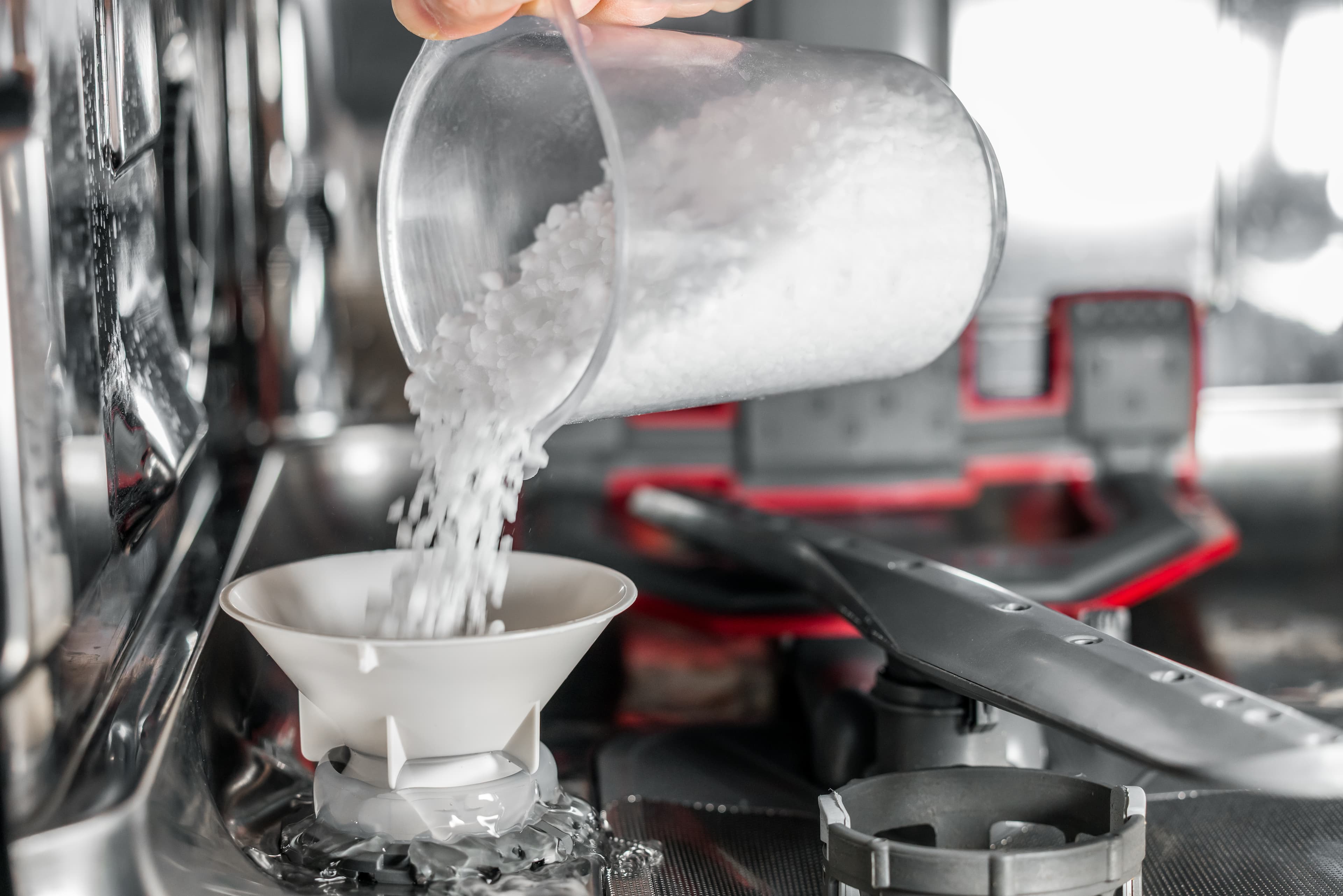
A properly sized water softener for an Oklahoma home costs $1,800–$3,500 installed (size and features depend on household demand and hardness level). Ongoing cost: about $10–$18/month in salt.
Annual cost to run a softener: around $200 in salt and maintenance.
Annual hard water damage avoided: $750–$1,400.
Net annual savings: $550–$1,200.
A properly sized softener pays for itself in 2–4 years and continues saving money every year after that. It's one of the few home upgrades that generates a real return on investment from day one.
How to Size One Right
Softener sizing isn't guesswork. It depends on two things: your water's hardness (in GPG) and your household's daily water consumption. A family of four using 300 gallons per day at 18 GPG needs a softener that can remove 5,400 grains per day between regenerations, with enough capacity buffer to avoid cycling too often.
Undersized softeners regenerate constantly, wasting salt and water. Oversized softeners go too long between regenerations, allowing bacteria to grow in stagnant resin. Right-sized, based on an actual water test, is where efficiency and performance meet.
Free Water Testing Across Eastern Oklahoma
Clean Water Systems tests your water for free, we measure your exact hardness, calculate what it's costing you, and recommend a correctly sized system if the numbers justify it. No pressure, no hype. Serving Muskogee, Tahlequah, Wagoner, Broken Arrow, Fort Gibson, Sallisaw, and surrounding communities.
Call (918) 839-8860 or schedule online.